Choosing blush for warm undertones can look simple, yet the right shade depends on more than a color chart. Golden, peach, olive, and neutral-warm skin may all react differently to the same blush. Natural warmth often pairs well with peach, apricot, coral, terracotta, warm rose, and soft cinnamon tones. However, intensity matters as much as hue.
This guide explains how to choose the best blush color for warm undertones through practical shade comparisons and application advice. It considers complexion depth, skin texture, lighting, and makeup style. A pale peach may brighten fair warm skin, while burnt coral or terracotta can add definition to medium and deep complexions. Warm rose can look especially balanced when orange-based shades appear too strong. Skin is individual.
Professional makeup testing usually begins with a small amount placed high on the cheek, then blended toward the temples. Checking the result in daylight can reveal whether the blush looks fresh, muddy, overly orange, or unexpectedly pink. Product texture also changes the finish. Cream blush can create a skin-like effect, while powder formulas may offer clearer color control. In China, humid summers, indoor lighting, and popular soft-glam styles can influence product preference and shade selection. Lighting can mislead.
Reliable recommendations should remain flexible. Undertones are useful guides, not strict rules, and personal contrast can change the final impression. A shade that looks beautiful online may appear dull on real skin. Small changes matter. The discussion ahead will compare flattering blush families, common mistakes, and simple ways to test color before committing.
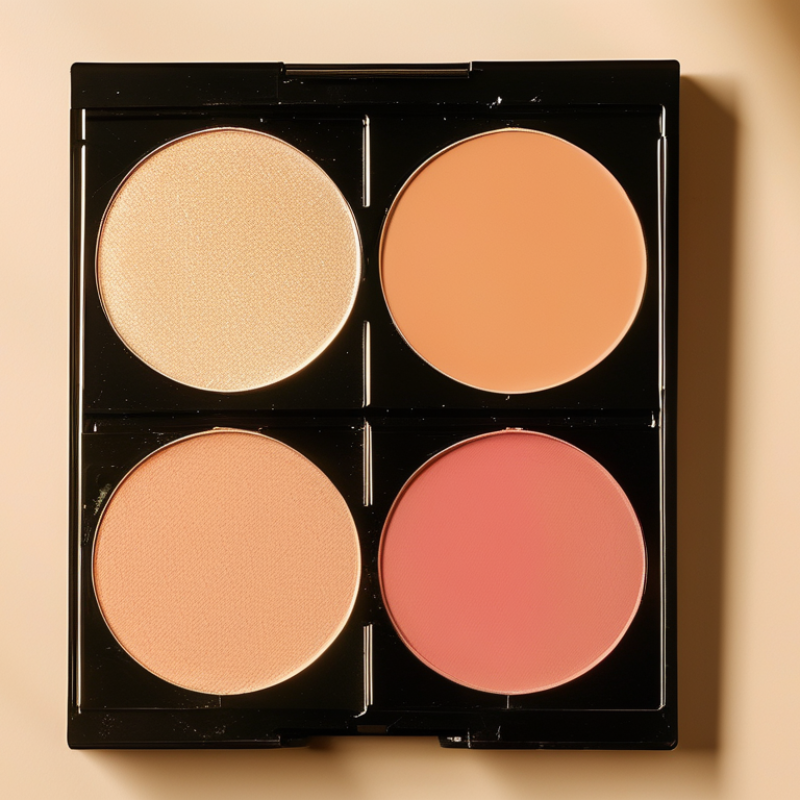
Understanding Warm Undertones and Their Blush Color Needs
Warm undertones usually show hints of gold, peach, yellow, or olive beneath the skin. Veins may appear greenish, but this test is not always reliable. Natural daylight offers a better guide.
Warm skin often responds well to peach, apricot, coral, terracotta, and warm rose blush. These shades echo the complexion instead of creating a gray or dull cast. Fair warm skin may need a soft peach wash. Medium skin can support coral or apricot. Deeper warm skin often suits burnt orange, cinnamon, or rich terracotta.
Shade depth matters as much as undertone. A very pale blush may disappear on deeper skin, while a strong orange can look harsh on fair skin. Place a small amount on the upper cheek, then check it near a window. Indoor lighting can mislead you.
Try two related shades.
A cream formula can look more skin-like, especially on dry areas. Powder may offer clearer color on oily skin, though preparation changes the result. I have found that “warm” labels are only starting points. Some peach shades turn too yellow, and some corals look unexpectedly pink. Observe the color after ten minutes, not immediately. Temperature, skincare, and foundation can alter how blush develops. Remove it gently if the tone feels uncomfortable or uneven.
Choosing Blush Shades That Complement Golden and Olive Skin
Warm undertones usually show golden, peach, or olive hints beneath the skin. The best blush shades should echo those tones, not fight them. Peach, apricot, coral, and warm rose often create a healthy, sunlit effect on golden skin. Olive skin can look especially balanced with muted terracotta, cinnamon, or soft brick shades. Very orange blush may appear harsh, though. Undertones can be subtle.
A practical test is applying a small amount near the cheekbone in natural daylight. The color should resemble a gentle flush after walking outdoors. Cream formulas often melt into dry skin, while finely milled powders can suit oilier areas. According to Circana’s 2024 U.S. Prestige Beauty Market report, prestige beauty sales reached 33.9 billion dollars, rising 7% year over year. This growth reflects stronger consumer interest in complexion products, including blush. Yet sales data cannot choose a shade for every face. That part remains personal.
For golden skin, try apricot or warm coral first. For olive skin, test muted rose, terracotta, or cinnamon beside bright peach. If the blush looks gray, the shade may be too cool. If it looks neon, reduce the intensity or choose a browner version. I once assumed every warm undertone needed orange blush. That was too simple. Skin depth, redness, and lighting can change the result. A shade that looks perfect in a store mirror may appear different beside a window.
China Best Blush Colors for Warm Undertones: How to Choose
Warm golden and olive undertones are usually complemented by blush shades with
peach, coral, apricot, terracotta, and warm rose qualities. The chart compares
practical color-theory compatibility scores for representative shade families.
Peach and apricot create a soft fresh effect, coral adds brightness, terracotta
gives olive skin more definition, and warm rose offers a balanced everyday option.
The scores are an undertone-matching guide rather than a clinical measurement.
Matching Blush Colors to Different Warm Skin Tones
Warm skin tones usually carry golden, peach, olive, or yellow undertones. The best blush depends on depth, not only undertone. For fair warm skin, try soft peach, apricot, or warm pink. These shades add freshness without looking harsh. Use a light hand; pigment can become obvious quickly.
Light-medium skin often suits coral, salmon, and muted terracotta. Medium skin can handle cinnamon, burnt peach, and warm rose. Tan complexions look balanced with brick, copper, or rich coral. Deep warm skin benefits from burnt orange, wine-red, and warm berry shades. The color should remain visible after blending, especially under indoor lighting.
Check the shade along your cheekbone, not your wrist. Natural daylight reveals unwanted gray or overly pink tones. Circana reported that U.S. prestige makeup sales grew 15% in 2023, showing stronger consumer interest in complexion color products. Mintel’s beauty research also emphasizes personalized shade selection as a growing expectation. Still, undertone tests are imperfect. Olive skin may turn peach blush slightly orange, while golden skin can make coral appear brighter. I sometimes prefer a muted shade over a theoretically perfect one. Texture matters, too: cream formulas look fresh on dry skin, while powder can offer better control on oily areas.
Selecting the Right Blush Finish and Formula
For warm undertones, blush colors with yellow or golden bases usually look harmonious. Apricot, peach, terracotta, warm coral, and cinnamon rose are practical choices in China. They can brighten beige, golden, and olive complexions without looking grey. However, skin depth matters. A soft peach may disappear on medium or deep skin, while vivid coral may appear too strong on fair skin.
Finish changes the result as much as color. Satin blush gives mature or dry skin a healthy, realistic glow. Matte powder works well in humid weather, especially when the T-zone becomes oily. Cream formulas blend naturally over foundation, but they may move if the base is not set. Liquid blush offers strong pigment and requires quick blending. Use only a small dot. More is easy.
I usually test blush near a window, not under store lighting. Place a little on the cheek and wait ten minutes. Some formulas deepen as they dry. Check whether the color stays warm or turns orange. It depends. A soft-focus finish can hide texture, but noticeable shimmer may emphasize pores. I once chose a beautiful coral shade that looked flattering indoors, yet became overly red outdoors. That mistake taught me to test both finish and formula on bare skin and over the intended base. For hot, humid conditions, a thin cream layer with a light powder veil can improve wear, though it may feel less fresh.
China Best Blush Colors for Warm Undertones: How to Choose the Right Blush Finish and Formula
Use this guide to match blush color, finish, and formula with warm undertones while considering skin depth, skin type, and the desired makeup effect.
| Blush Color Family |
Best Skin Depth |
Why It Works for Warm Undertones |
Recommended Finish |
Suitable Formula |
Application Guidance |
|
Apricot
|
Fair to medium |
Its yellow-orange balance harmonizes with golden, peach, and olive warmth without looking overly dramatic.
|
Satin
Soft matte
|
Powder for easy layering; cream for a fresh, skin-like appearance.
|
Apply lightly to the upper apples of the cheeks and blend toward the temples.
|
|
Peach
|
Fair to medium |
Peach combines pink and yellow-orange tones, creating a naturally warm and lively flush.
|
Natural
Satin
|
Cream and liquid formulas suit normal or dry skin; powder works well for longer wear.
|
Start with a small amount because light peach can appear stronger after it warms on the skin.
|
|
Coral
|
Fair to deep |
Coral adds a vivid orange-pink flush that complements warm and golden undertones.
|
Satin
Radiant
|
Liquid or cream for a luminous look; pressed powder for buildable intensity.
|
Sheer out bright coral with a clean brush or sponge before adding more pigment.
|
|
Terracotta
|
Medium to deep |
Earthy red-orange tones provide definition and tend to look harmonious rather than ashy on warm skin.
|
Matte
Satin
|
Cream-to-powder formulas offer control; powder formulas are useful for layering over makeup.
|
Place slightly higher on the cheekbones for a softly sculpted, sun-warmed effect.
|
|
Warm Rose
|
Fair to deep |
Rose with a golden or muted base gives warmth while preserving a classic rosy appearance.
|
Satin
Soft matte
|
Powder is versatile for oily skin; cream can look more natural on normal or dry skin.
|
Blend the edges carefully to prevent the shade from appearing too concentrated or reddish.
|
|
Brick Red
|
Medium to deep |
Warm red-brown tones add depth and definition without the cool, bluish cast that some reds can create.
|
Matte
Soft satin
|
Powder or cream formulas work well; sheer liquid layers can create a diffused finish.
|
Use a small amount and build gradually, especially when the pigment level is high.
|
|
Warm Bronze
|
Medium to deep |
Golden brown and bronze tones can add warmth and dimension, particularly when used as a blush-bronzer hybrid.
|
Radiant
Satin
|
Cream or balm formulas create a dewy finish; finely milled powder offers more lasting wear.
|
Apply to the cheek area where the sun naturally reaches, avoiding excessive shimmer near textured skin.
|
|
Muted Cinnamon
|
Medium to deep |
Soft cinnamon shades combine warm orange, brown, and red tones for a refined everyday flush.
|
Matte
Satin
|
Powder suits combination or oily skin; cream formulas are preferable for a seamless finish on dry skin.
|
Use a medium-density brush and diffuse outward to keep the color from looking heavy.
|
Selection tips:
Test blush on the cheek rather than the hand whenever possible. For oily skin, a powder or powder-topped cream formula generally offers more reliable wear. For dry or mature skin, a cream or liquid formula with a satin or natural finish can help retain a fresh appearance. Avoid applying large amounts of high-shimmer blush over visible texture, and build color gradually to maintain a balanced result.
Applying Warm-Toned Blush for a Natural, Balanced Look
Warm undertones usually suit blush with yellow, peach, golden, or terracotta notes. Peach-coral creates a fresh daytime effect. Warm rose adds depth without looking overly orange. Apricot works well when the skin is light to medium. Deeper complexions can explore burnt coral, cinnamon, and brick. Shade intensity should follow your skin depth, not only your undertone.
Applying warm-toned blush well depends on placement and pressure. Tap off excess powder or use a thin cream layer. Place color slightly above the cheek’s fullest point, then blend toward the temples. This lifts the face visually. Keep the center of the cheeks softer. Too much pigment there can look flushed rather than balanced. Keep it soft. In practice, a clean brush often creates a more natural finish than heavier layering.
Industry data supports the wider interest in complexion products. Grand View Research valued the global color cosmetics market at approximately 84.7 billion U.S. dollars in 2023, with face makeup among its major categories. Circana’s beauty tracking reports also continue to identify complexion products as important contributors to makeup sales in several markets. These figures show demand, not a universal beauty rule. A shade that looks golden in a store may turn orange under daylight. Check it near a window, and wait several minutes before judging. I still find undertone tests imperfect, especially on uneven or sun-exposed skin. Temperature, texture, and lighting can change the result.
Conclusion
Warm undertones often have golden, peachy, or olive hints, so the most flattering blush colors usually enhance that natural warmth rather than compete with it. Peach, apricot, coral, terracotta, warm rose, and cinnamon shades can bring brightness and balance to the complexion. To understand how to choose the best blush color for warm undertones, consider both your skin depth and the specific warmth in your complexion. Fair warm skin may suit soft peach and light coral, medium skin can wear apricot and warm rose, while deeper warm skin often looks radiant in terracotta, brick, or rich berry shades with warm depth.
The finish and formula also affect the final result. Cream and liquid blushes create a fresh, skin-like effect, while powder formulas offer buildable color and longer-lasting definition. Choose a soft satin or natural finish for everyday makeup, and apply blush gradually to the apples of the cheeks, blending slightly upward toward the temples. Keeping the color sheer and balanced helps create a healthy, natural look without overpowering the rest of the makeup.

 Bremma Beauty