Have you ever wondered, "why do my eyelids get oily with eyeshadow?" Many people grapple with this frustrating issue. Oily eyelids can lead to eyeshadow creasing and fading, ruining your makeup look. Understanding why this happens is the first step to finding a solution.
Oily skin is common, especially around the eyes. Factors like genetics, climate, and even diet can contribute to excess oil production. This natural oil can break down eyeshadow, making it difficult for makeup to adhere. In addition, humidity and temperature can exacerbate the problem, turning your makeup routine into a challenge.
Fortunately, there are practical tips to tackle this issue. Utilizing an eyeshadow primer, choosing the right formulations, and modifying your application techniques can significantly help. Remember, everyone experiences this problem differently. Exploring various approaches will lead to a solution that works best for you.
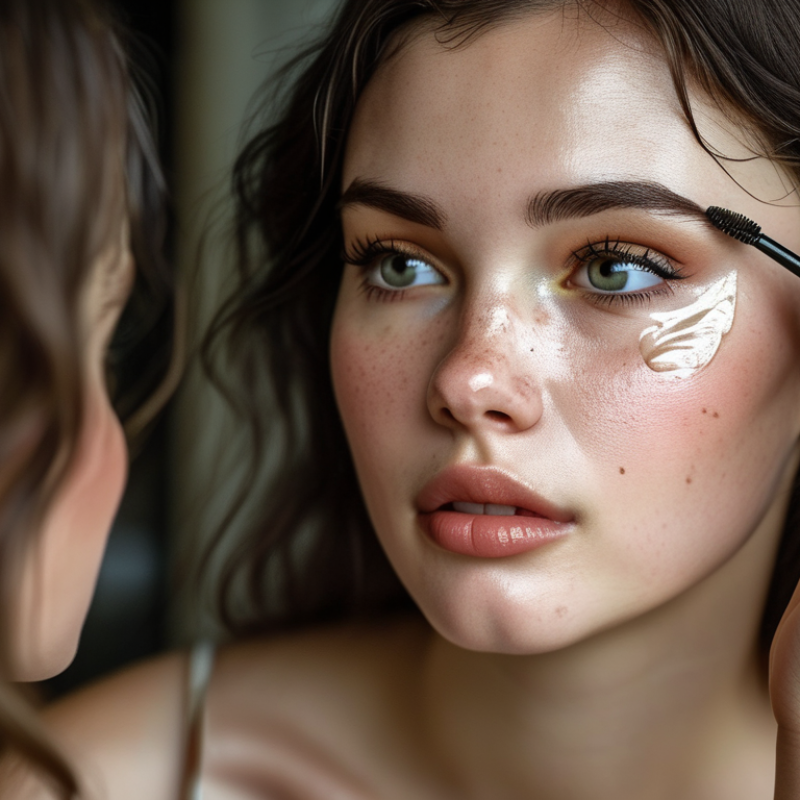
Oily eyelids can be a frustrating issue for many makeup enthusiasts. This common problem affects around 50% of women, often leading to eyeshadow creasing and fading. The skin on our eyelids has more oil glands than other areas, making them naturally prone to excess oil production. Factors such as genetics, hormonal changes, and environmental conditions can all contribute to oily eyelids.
Humidity and temperature can worsen the situation. Studies show that in humid climates, sebum production can increase by as much as 40%. Stress, poor diet, and unsuitable skincare products may exacerbate oiliness. A lack of proper eye makeup removal can also lead to buildup, causing the eyelids to feel slick and slippery.
To manage oily eyelids, consider using eyeshadow primers. They can create a barrier against oil and enhance the longevity of your makeup. Additionally, using blotting papers throughout the day can help absorb excess oil without disturbing your look. Remember, not all solutions work for everyone. It's essential to find what suits your individual skin type and preferences.
| Cause | Description | Tips to Prevent or Fix |
|---|---|---|
| Natural Oil Production | The skin around the eyes can have more oil glands, causing excess oil. | Use mattifying primers to control oil and set eyeshadow with powder. |
| Humidity and Weather | Hot and humid conditions increase oil production on the skin. | Opt for waterproof eyeshadows and reduce makeup layers in hotter months. |
| Skin Type | Oily skin types are more prone to excess oil on eyelids. | Consider using gel-based eyeshadows and setting sprays designed for oily skin. |
| Cosmetic Products | Certain products can be too greasy or not formulated for eyelids. | Choose eyeshadows specifically labeled as long-lasting or oil-free. |
| Diet and Hydration | Diet high in sugars and fats can increase overall oil production. | Maintain a balanced diet and stay hydrated to support skin health. |
: Oily eyelids are often caused by genetics, hormonal changes, and environmental factors like humidity and temperature.
Around 50% of women experience oily eyelids, which can lead to makeup issues like creasing.
Humidity can increase oil production by as much as 40%. Stress and poor diet may also contribute.
Use eyeshadow primers. Blotting papers help absorb excess oil throughout the day without ruining your look.
Look for oil-absorbing powders. Matte shadows work better than creamy formulas for oily skin.
Creamy formulas may slide off oily eyelids, making them less effective compared to matte options.
Tap the product onto your eyelid instead of sweeping it. This improves product adhesion.
It may take some trial and error. Everyone’s skin is different, so find what works best for you.
Not properly removing eye makeup can cause buildup, making eyelids feel slick and greasy.
No, what works for one person may not work for another. Personal preferences and skin types vary.
The article titled "Why Do My Eyelids Get Oily With Eyeshadow Tips to Fix It?" explores the common issue of oily eyelids and its effects on makeup application. It begins by explaining the causes of oily eyelids, such as genetics, environment, and skin type, which can contribute to excess oil production. The article highlights how this oiliness can affect the longevity and appearance of eyeshadow, often leading to smudging or fading throughout the day.
To address the problem, the article offers practical tips for preparing eyelids before eyeshadow application, including the use of primers and setting powders. It also suggests the best eyeshadow formulations that work well with oily eyelids for improved wearability. Lastly, the article provides strategies for maintaining eye makeup throughout the day, ensuring a polished look despite oiliness. These insights comprehensively tackle the concerns around "why do my eyelids get oily with eyeshadow," offering effective solutions for makeup enthusiasts facing this challenge.

 Bremma Beauty