How to Stop Concealer Turning Orange After a Few Hours?

Time:2026-09-28 Author:Madeline
0%

You apply concealer under the bathroom lights, and the shade looks right. A few hours later, it appears warmer, deeper, or distinctly orange. If you have searched “why does my concealer turn orange after a few hours,” the cause may be more complicated than a poor shade match. Skin oil, sunscreen, moisturizer, and foundation can all affect how a formula looks as it wears. So can the lighting where you check it.

Cosmetic chemist Michelle Wong, PhD, explains cosmetic-science topics through her work at Lab Muffin Beauty Science. A fair summary of her approach—not a direct quotation—is that product ingredients and skin conditions influence how makeup behaves. In practice, concealer can mix with sebum, shift as it dries, or look different beside oxidized foundation. Sometimes, it’s the lighting. Small changes matter.

This guide will help you narrow down the likely cause without blaming every orange shift on “oxidation.” Try one change at a time: apply concealer over clean, moisturized skin; let sunscreen settle; then compare the shade after several hours in the same natural light. Notice whether the color changes on bare skin or only over another product. That distinction is useful. It is not a perfect test, though—skin, formulas, and application habits vary. Once you know when the shift begins, you can make more informed choices about shade, preparation, and setting.
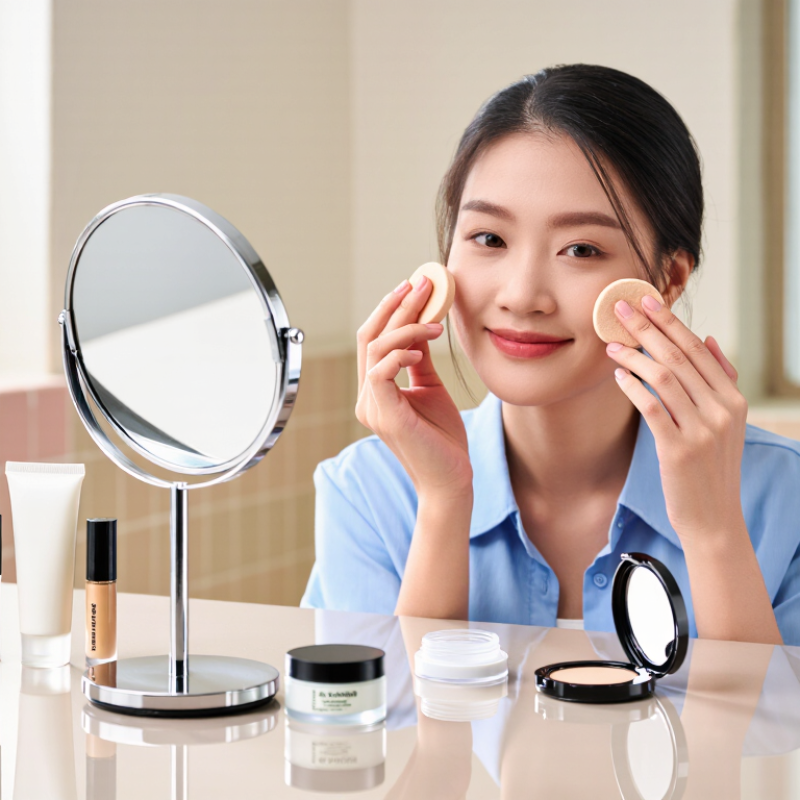
How to Stop Concealer Turning Orange After a Few Hours?

Why Concealer Turns Orange After Several Hours

Concealer can look more orange after several hours because its color is changing against your skin, not necessarily because the formula is “oxidizing.” Natural skin oils can mix with pigments and make a shade appear warmer or deeper. As moisture evaporates, the remaining layer may also look more concentrated. It is tempting to blame oxidation alone, but that explanation is often too neat.

A shade that matches your hand may not match your face, where redness, discoloration, and undertones vary. Warm lighting can exaggerate the shift, too. Sunscreen, moisturizer, and foundation underneath may affect how concealer spreads or wears, especially if the layers stay tacky. Not every product reacts the same way, and sometimes the shade was simply a little too warm from the start.

Test concealer on the area you plan to cover, then check it in daylight after a few hours. Try it over your usual skincare, using thin layers and letting each layer settle. If the color turns orange, compare a cooler or more neutral shade rather than adding extra powder to hide it. Powder may reduce shine, but it cannot reliably correct the undertone. Sometimes the honest answer is that the shade does not suit your skin.

How to Identify the Cause of Concealer Oxidation

A concealer turning orange is a clue, not a diagnosis. Compare three small swatches: one on clean, bare skin; one over your usual moisturizer; and one on the back of your hand. Check them in daylight at application, after 30 minutes, and after four hours. If only the face swatch deepens, skin oils or skincare may be interacting with the formula. If every swatch changes, the product itself or exposure to air may be involved. Take photos beside a white tissue; warm indoor lighting can fool you.

Skin chemistry varies, so pH alone cannot explain a color shift. Lambers and colleagues reported an average skin-surface pH of about 4.7 in a 2006 review in the International Journal of Cosmetic Science. That figure is context, not proof that acidity causes orange concealer. Look for a pattern: does the change appear mainly around the nose and forehead, where shine builds, or across the whole face? Blot one small area before rechecking. If that patch looks closer to its original shade, oil may be contributing. If it does not, the mismatch may be undertone, lighting, or the base product beneath it. I would not label every warm shift “oxidation”; sometimes the mirror and the lighting are the unreliable parts.

How to Prepare Skin to Prevent Color Changes

Concealer can look warmer after a few hours when skin oils mix with its pigments. Skin preparation may reduce that shift, though it cannot fix every shade mismatch. Start with a gentle cleanse, then pat your face dry. Avoid harsh scrubs or strong astringents right before makeup; irritated, tight skin can make concealer cling unevenly. Keep it simple. Apply a thin layer of lightweight moisturizer, especially around the nose and under the eyes, where dry patches often show. Give it a few minutes to settle. If your skin still feels slick, gently press away excess with a clean tissue.

Apply sunscreen when needed, and let it dry fully before makeup. A damp or slippery layer underneath may cause concealer to move or blend unpredictably. If you use primer, choose one that feels comfortable with your moisturizer rather than piling on several products. I used to assume more prep meant better wear; sometimes it just left a slippery film. Try your routine on one side of your face and compare it after a few hours in natural light.

Check whether the concealer changed color or simply looks different against your skin. If it still turns orange, test a closer shade match on bare skin and allow it to sit before deciding. Skin changes day to day, too. A routine that works once may need adjusting.

How to Choose a Concealer That Matches Your Skin

Concealer that turns orange may be too warm, too deep, or reacting with oils as it wears. Start with undertone: compare your jaw, neck, and chest in daylight, not under warm bathroom bulbs. A pink-looking shade can turn ashy, while a golden shade may read orange. CIE’s Colorimetry report (15:2018) specifies D65 standard daylight at a correlated colour temperature of 6,504 K, a useful reference for consistent colour assessment. Your actual daylight varies, though, so check the shade near a window and again indoors.

Choose a shade that disappears along the jaw rather than one that only brightens under the eyes. Test two close options on clean skin, wait 20 minutes, then check their colour and depth. If both look wrong, the undertone may be off. Skin has more variation than a simple warm, cool, or neutral label suggests; matching is not always perfect. A slightly imperfect match can still look more natural than a starkly lighter one.

Tips: Apply a small stripe, let it settle, then inspect it beside your neck. Check again after a few hours. If it shifts orange, try a less warm shade before changing your whole routine. Keep the test area free of tinted skincare, which can cloud the comparison.

How to Stop Concealer Turning Orange After a Few Hours

Check your concealer shade in different lighting before deciding it has oxidized. Warm light can make skin and makeup appear more yellow or orange.

Typical light-source color temperatures are approximate and vary by bulb and conditions. Swatch concealer along your jaw, let it settle, then compare it in daylight and the lighting you use most.

How to Apply and Set Concealer for Longer-Lasting Color

Concealer can look orange when its pigments interact with skin oils, or when the shade is too warm. Oxidation is not the only cause; indoor lighting can exaggerate the shift. Check the color beside a window, both just after application and later in the day. Cosmetics Europe’s 2023 market figures put European cosmetics and personal-care sales at €96 billion, a reminder of how varied cosmetic formulas are. That figure is market context, not evidence that every concealer changes color.

Start with clean, moisturized skin, then let skincare settle until it no longer feels tacky. Use a thin layer of concealer and press it in with a fingertip or damp sponge; thick layers can mix with oil and crease. Wait a minute before setting. Lightly press a small amount of finely milled powder onto areas that crease, using a clean puff rather than sweeping it across the skin. Less powder. Check the result after a few hours in daylight. If it still turns orange, try a less warm shade or skip a rich eye cream underneath. I’d retest one change at a time; it is easy to blame the concealer when lighting or skincare may be part of the problem.

FAQS

Why does concealer look orange after several hours?

Skin oils can mix with pigments and make the color look warmer or deeper. As moisture evaporates, the remaining layer may look more concentrated. It is not always oxidation.

How can I tell whether my concealer is changing color?

Apply small swatches to bare skin, moisturized skin, and the back of your hand. Check them in daylight at application, after 30 minutes, and after four hours. Take a photo beside a white tissue.

What does it mean if only the face swatch turns orange?

Skin oils or skincare may be affecting the concealer. Check whether the shift is stronger around your nose or forehead, where shine often builds. Blot one small area and compare again.

Could indoor lighting make concealer look more orange?

Yes. Warm indoor light can exaggerate a color shift. Check near a window, but remember that daylight changes too.

Can my moisturizer or sunscreen affect concealer color?

They may affect how concealer spreads and wears, especially if the layers still feel tacky. Let skincare settle before applying a thin layer. One variable at a time.

Does skin pH explain why concealer turns orange?

Not by itself. Skin chemistry varies, and pH alone cannot explain every color change. The cause may be undertone, oils, lighting, or the base layer. I would not blame pH too quickly.

How can I apply concealer so its color lasts longer?

Press on a thin layer with a fingertip or damp sponge. Wait about a minute, then lightly press powder onto areas that crease. Too much powder may hide shine, but it cannot reliably fix undertone.

What should I do if my concealer still turns orange?

Compare a cooler or more neutral shade in daylight after several hours. Also test it over your usual skincare. Sometimes the shade simply does not suit your skin.

Conclusion

If you’ve wondered, “why does my concealer turn orange after a few hours,” the change may be caused by the formula reacting with your skin’s natural oils, sweat, or skincare products. A shade that is too light or has the wrong undertone can also become more noticeably warm as it wears. To pinpoint the cause, check whether the color shifts on bare skin, over moisturizer, or only after applying other makeup, and notice whether oiliness or dryness affects the result.

Start with clean, well-moisturized skin, letting skincare settle before applying concealer. Choose a shade and undertone that match your complexion in natural light, and test it on your face rather than relying only on a swatch. Apply a thin layer, blend the edges, and allow the concealer to set before using a small amount of setting powder. These steps can help the color stay more natural and even throughout the day.

Madeline

Madeline

Madeline is a dedicated marketing professional with a wealth of expertise in our company's core offerings. With a keen understanding of the industry, she brings a unique perspective to her role, consistently delivering high-quality content that highlights the superior aspects of our products. As......